Bluebell: Elevating Designs with Elegance
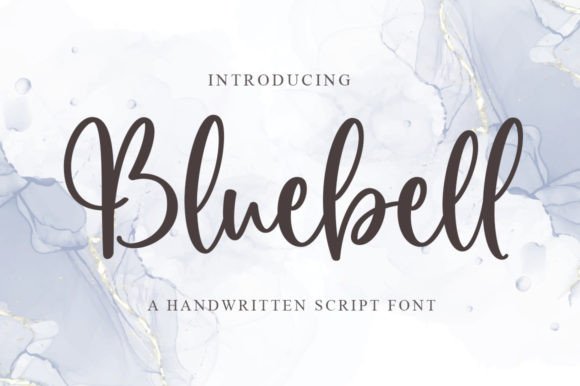
In the crowded landscape of digital communication, the right typeface can be the difference between a fleeting glance and a lasting impression. For designers seeking to infuse their projects with a sense of refinement, the Bluebell font emerges as a standout choice. It is a delicate and refined script font that emanates sophistication and elegance, making it an invaluable asset for anyone serious about high-end visual design.
The Anatomy of a Sophisticated Script
Bluebell is not merely a set of characters; it is a carefully crafted tool for visual storytelling. What sets it apart in modern graphic design is its thoughtful construction. The font features stylish alternates and ligatures, which are essential for creating custom, authentic-looking typography. These features allow designers to break the mechanical repetition of digital text, giving letterforms a more organic, hand-lettered feel that resonates with audiences.
Furthermore, accessibility is key in a fast-paced design workflow. Bluebell is PUA encoded, ensuring that every glyph and swash is easily accessible. This technical capability is crucial for designers who need to iterate quickly without getting bogged down by software limitations, allowing for a seamless integration into creative projects.
Strategic Applications for Visual Impact
The versatility of Bluebell allows it to shine across various mediums. When applied correctly, it enhances visual hierarchy and guides the viewer's eye effectively. Here are practical applications where Bluebell can transform standard content into premium assets:
- Branding and Logo Design: Use Bluebell to craft logos that require a personal touch. Its elegance makes it perfect for boutique brands, beauty products, or lifestyle companies looking to establish a distinct brand identity.
- Social Media Graphics: In the fast-scrolling world of digital marketing, a beautiful script font captures attention. Bluebell is ideal for quote graphics, promotional banners, and Instagram stories that require a blend of readability and flair.
- Editorial and Packaging Design: For magazines, invitations, or packaging design, the font adds a layer of luxury. It pairs beautifully with clean sans-serifs to create a balanced visual design that feels both modern and timeless.
- Web and UI Design: While scripts are best used sparingly in UI design, Bluebell serves perfectly as an accent font for headers or call-to-action buttons, adding personality to a site without compromising user experience.
Integrating Typography into Your Design System
Choosing a font like Bluebell is just the first step; integrating it effectively requires strategic thinking. Typography is the voice of your design, and consistency is vital. When incorporating Bluebell into your creative assets, consider the following to maintain a professional presentation:
- Visual Hierarchy: Use Bluebell for primary headers or accent text to draw attention. Pair it with a robust, geometric sans-serif for body text to ensure readability and accessibility across different devices.
- Color Palette: Script fonts often look best when they have room to breathe. Ensure your color palette provides sufficient contrast, but avoid harsh black-on-white combinations if you want a softer, more luxurious aesthetic. Muted tones or deep jewel colors often complement its style.
- Scalability: Always test your typography at different scales. While Bluebell is designed for elegance, ensuring it remains legible on mobile screens is a key component of modern UX design.
Ultimately, the goal of any design asset is to communicate a message effectively while evoking the right emotion. Bluebell offers a bridge between technical precision and artistic expression. By leveraging its unique features and applying it with a clear understanding of your design goals