Radioactive Decay: Embracing the Drippy Goo Aesthetic
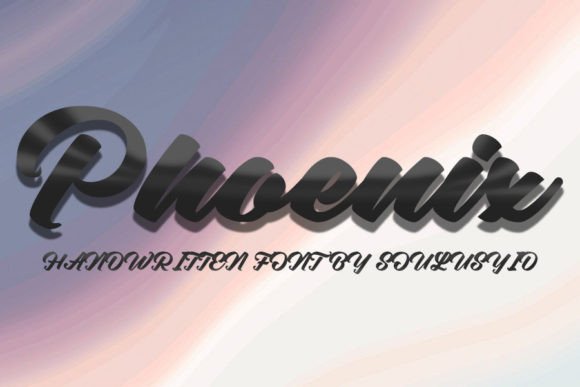
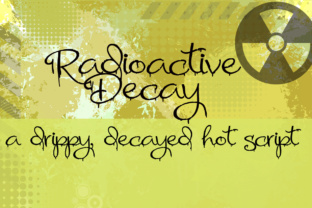
Imagine a typeface where the pristine edges of a perfect script have surrendered to time, transforming into a captivating, oozing visual metaphor. This is the essence of Radioactive Decay, a design trend where elegant typography melts into a "drippy goo" effect, offering a powerful tool for creating unforgettable brand identities and digital content.
Understanding the Visual Impact of Decay
In graphic design, Radioactive Decay refers to a stylistic approach that mimics the natural process of erosion or melting. It takes familiar, often beautiful, elements like hand-written scripts and deconstructs them. The result is not messy, but intentionally raw, emotional, and deeply engaging. This aesthetic taps into modern design trends that value authenticity and tactile, imperfect beauty over sterile perfection, making it a standout choice for projects requiring high visual impact.
Practical Applications for Creative Projects
The versatility of a decayed typography style allows it to enhance a wide array of creative assets. Its unique texture and movement can capture attention instantly, making it ideal for applications where breaking through the noise is critical.
- Branding and Logo Design: For brands in music, alternative fashion, or artisanal food, a decayed script can instantly communicate a gritty, authentic, and non-corporate personality.
- Social Media Graphics: Stand out in crowded feeds. The "drippy goo" effect creates a scroll-stopping moment, perfect for event promotions, album covers, or bold campaign launches.
- Packaging and Merchandise: On product labels, apparel, and posters, this style adds a layer of tactile intrigue and artistic flair that elevates the perceived value of the item.
- Web and UI Design: Use it strategically for hero images, headers, or call-to-action buttons to inject personality and guide the user's eye with dynamic visual hierarchy.
- Editorial and Advertising: Magazine covers, book titles, and ad campaigns can leverage this style to evoke a specific mood—be it horror, avant-garde, or nostalgic rebellion.
Tips for Effective Implementation
Successfully integrating a decayed style requires thoughtful design strategy to ensure it enhances, rather than hinders, your message.
Prioritize Readability: The primary goal of typography is communication. Use highly stylized, decayed fonts for headlines and display text only. Pair them with a clean, simple sans-serif for body copy to maintain clarity and a strong visual hierarchy.
Align with Brand Identity: This aesthetic is powerful but specific. Ensure it aligns with your brand's voice, audience expectations, and core values. It works best for brands that embrace edginess, creativity, and a break from convention.
Control Your Color Palette: The "goo" effect can be amplified with color. A monochromatic scheme creates a sophisticated, ink-like feel, while neon or high-contrast colors against a dark background can amplify the "radioactive" and energetic vibe.
Ensure Scalability and Compatibility: Test your chosen asset across different sizes and mediums. Does the detail hold up on a small mobile screen and a large print banner? Does it complement your existing color palette and imagery?
Elevating Your Design Workflow
Incorporating a specialized asset like Radioactive Decay into your design workflow can spark new inspiration and streamline the creative process. Instead of spending hours manually creating decay effects, starting with a high-quality, pre-designed typeface or graphic element provides a professional foundation. This allows you to focus on composition, messaging, and overall user experience, ensuring the final product is both visually stunning and strategically effective.
Ultimately, the choice to use such a distinct visual element should be a deliberate one. When applied with consideration for context, audience, and design goals, a style like the drippy goo script becomes more than a trend—it becomes a vital part of a cohesive visual language that captivates, communicates, and elevates any creative project.